Case study · Industrial SCADA

Improving decision-making for a system serving 1.5M+ residents.
CABB operates the SCADA system behind a regional water utility. The interface was making decisions slower than the operators making them — so we rebuilt it around how the work actually happens.
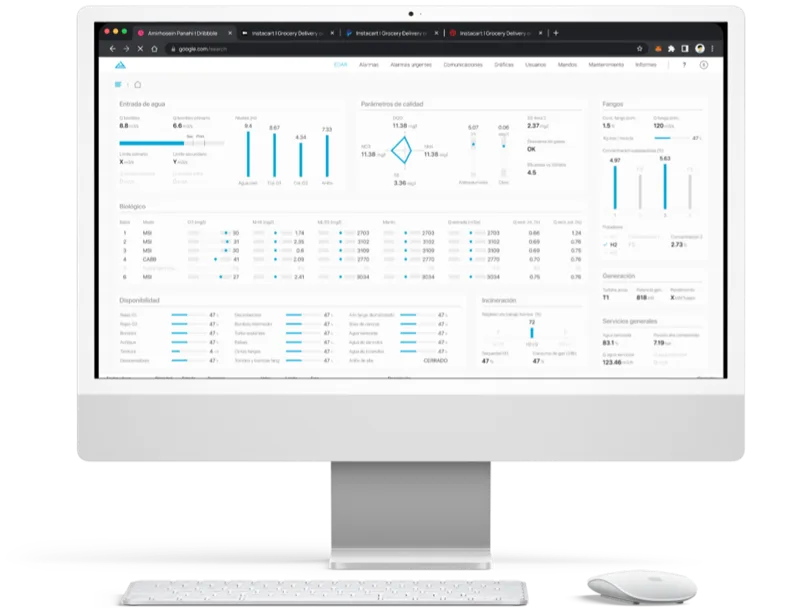
At a glance.
Six months. One designer. A before-and-after survey with the people running the plants every day.
Satisfaction
Reported by operators in the post-launch survey, against the same task set they'd run for years.
Onboarding
New operators reached competence faster, measured from first shift to unsupervised operation.
Reach
The system the redesigned dashboard runs supplies water across the utility's full coverage area.
About the project.
CABB was modernising their SCADA system — the interface plant operators use to monitor and control the water network. Operators had been raising usability issues for years. The new platform was the chance to fix them.
I was the only designer on the project, working alongside the PM and dev team. The brief: understand the operators, redesign the interface, and leave behind a design system the team could keep building on.
Context.
Role & team
- Principal Product Designer (end-to-end)
- Working with PM and developers
- 6-month timeline: alignment → research → validation → implementation
- Web app, desktop-first
Users & constraints
- Water-plant operators and their managers
- Legacy data feeds and system integrations
- Stakeholders across municipal and operations leadership
- Real shifts running 24/7 — no room for downtime
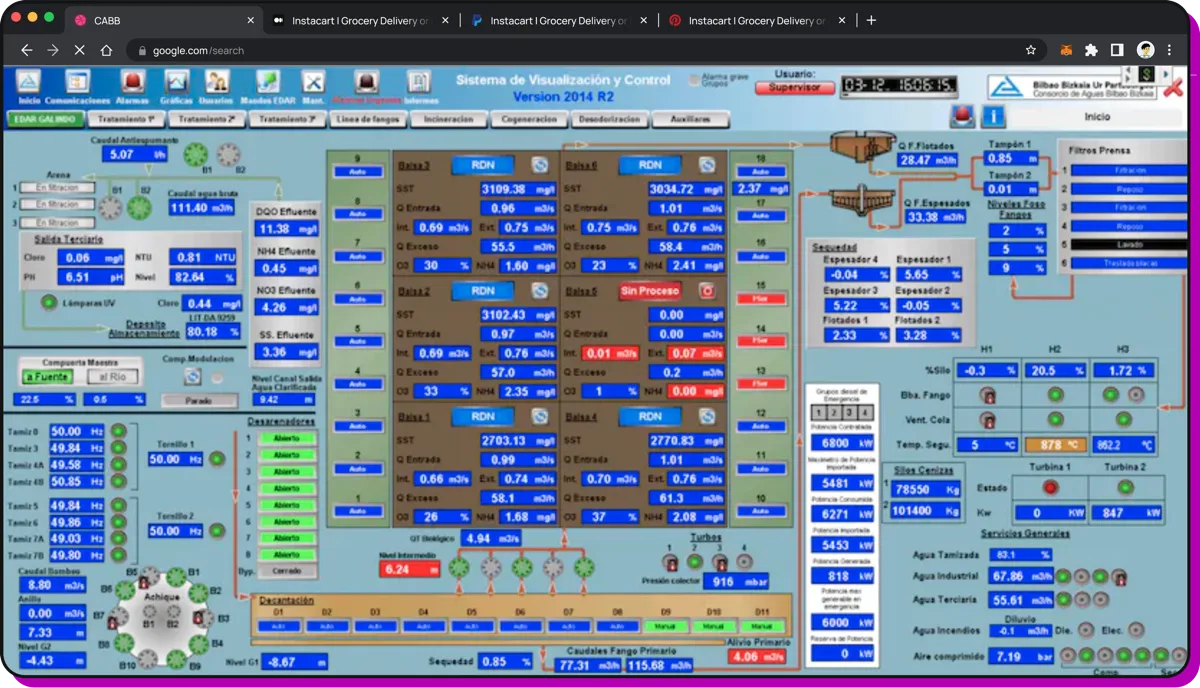
A confusing interface.
The existing dashboard was creating real operational drag — and forcing operators to compensate around it.
Confusing layout. Inconsistent hierarchy. Visual feedback that didn't match what the system was actually doing. And under all of it, an onboarding gap: every new hire was being trained around the interface, not by it.
Research goal: understand the operators' real pain points and design something that reduces errors instead of inviting them.
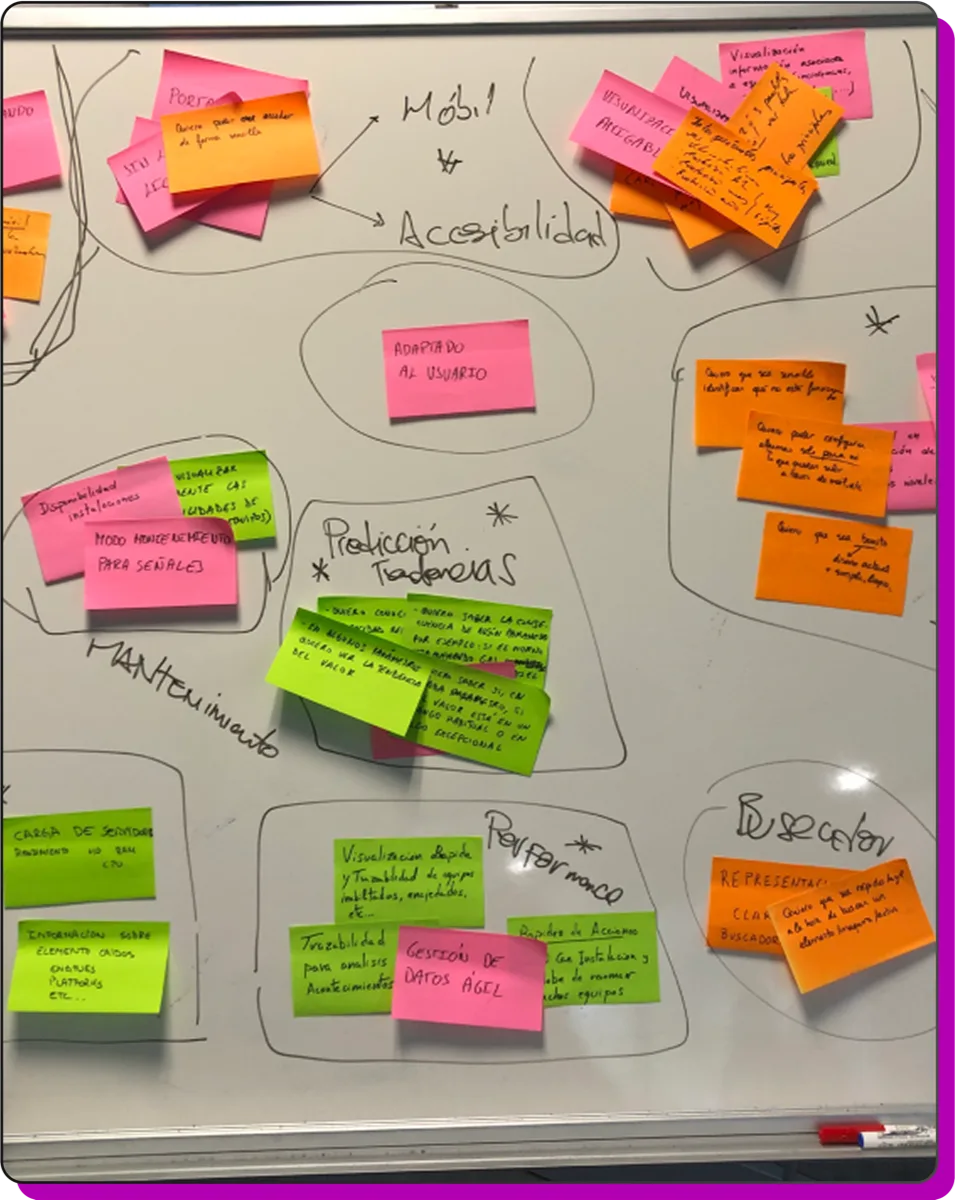
Understanding operators on their floor.
Industrial UX is contextual UX. None of this works from a desk.
01 — Site visit
Process mapping
Walked the plant. Mapped the operational process end to end and the moments where the interface was getting in the way.
02 — Workshop
Design Thinking
Facilitated a workshop with operators, managers, and engineers to surface needs and co-create the directions worth testing.
03 — Shadowing
User shadowing
Spent shifts with operators in their actual environment, watching the small adaptations they'd built up around the old interface.
04 — Interviews
Recurring interviews
Held one-on-ones throughout the project, so direction stayed grounded in the people who'd be using it the next morning.
iterations of the dashboard tested with operators before the design was locked.
feedback cadence with stakeholders — early validation, fewer expensive surprises.
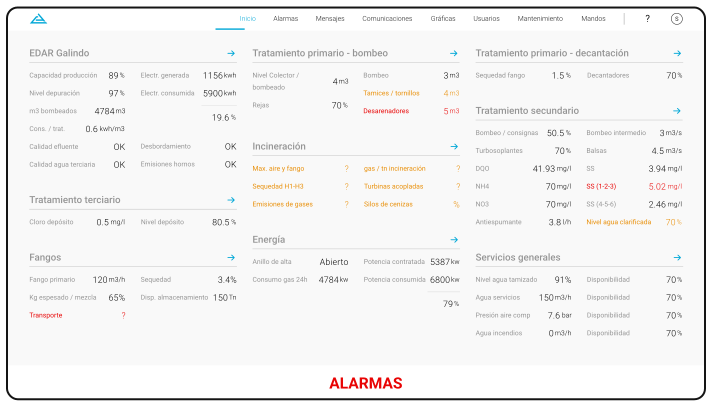
What changed.
Four moves, none of them flashy. All of them load-bearing for an operator on shift.
Clear navigation
Restructured the IA with logical grouping and unambiguous labels. Operators found things in the place they expected them.
Better data viz
Charts and indicators that actually communicate state — colour, contrast, and motion serving the meaning, not decorating it.
Less cognitive load
Contextual information surfaced at the right time. Less hunting through screens to confirm what's happening.
Error prevention
Confirmation patterns and validation around critical actions. Mistakes get caught before they become incidents.
Iterating with operators.
Four rounds with the people who'd be using it the next morning. Every iteration cut a confusion the last one had revealed.
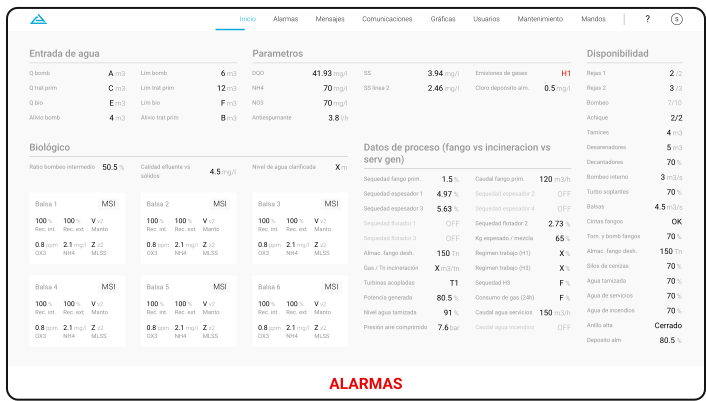
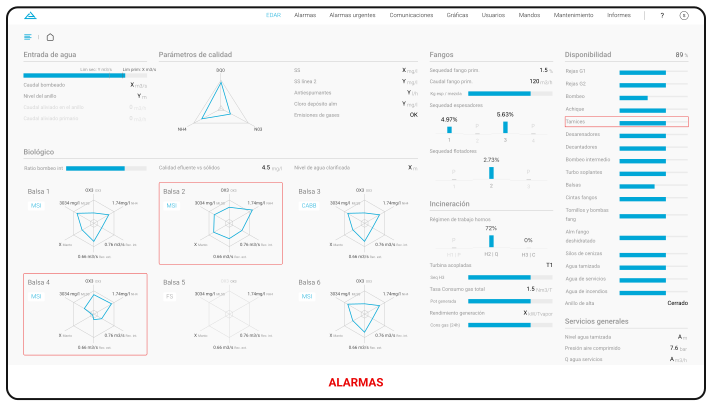
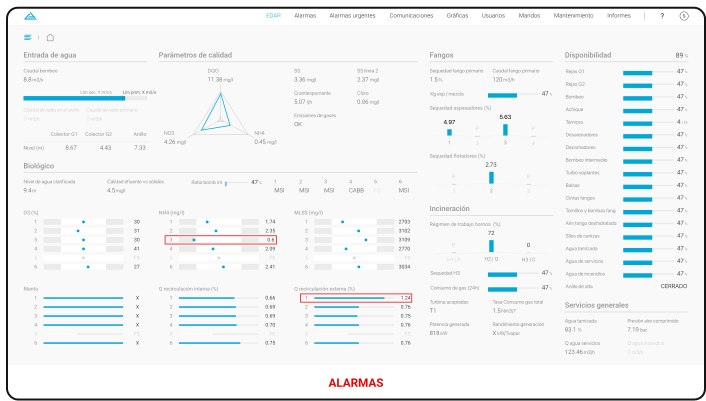
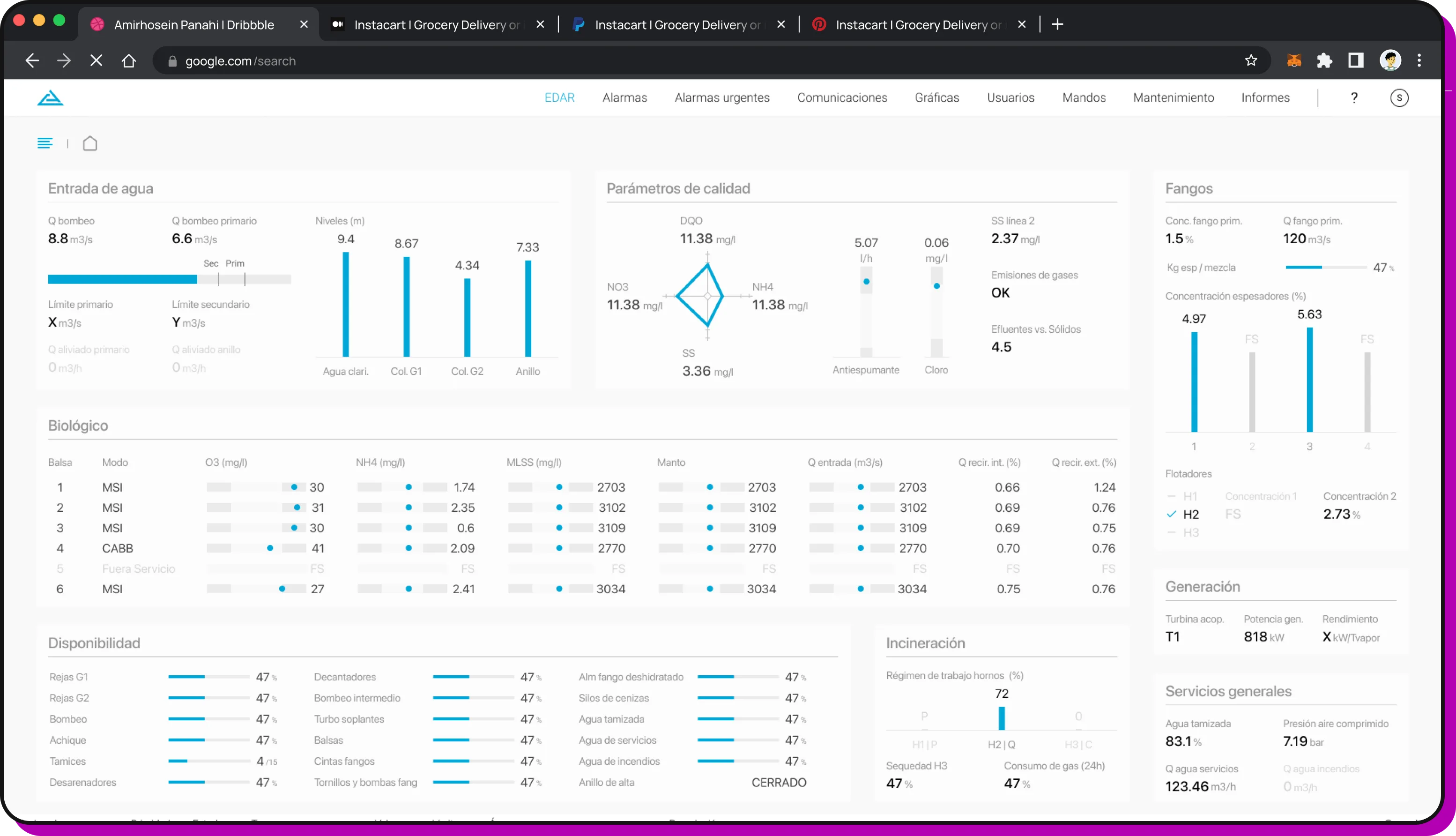
Significant improvements in usability.
The company didn't track formal metrics on the old system. The before-and-after survey did.
Improved usability
Clear hierarchy and intuitive navigation reduced the small confusions that used to compound into real operational errors.
Better data visualization
Operators could see the state of the system at a glance instead of triangulating between three screens to confirm it.
The new dashboard finally tells us what's going on without us having to hunt for it. New operators get up to speed in days instead of weeks.Plant operations lead · CABB
What I took away.
Context is everything
Industrial UX without site visits is fiction. The constraints that mattered most were the ones that only show up when you're standing on the floor.
Stakeholder alignment matters
Weekly feedback with operators, managers, and engineering kept the work grounded — and stopped expensive late-stage course-corrections.
Design systems enable continuity
The team kept building after I rolled off. The system carried the standard forward without me having to be in the room.